Table of Contents
That moment when your coffee machine starts making that awful grinding noise—or worse, stops grinding altogether—is a special kind of morning nightmare. You’re left staring at a machine full of water and beans, completely useless. As someone who’s repaired dozens of coffee machines, I’ve seen this exact failure more times than I can count. The grinder main board, that little electronic brain controlling your grind, often gives out long before the rest of the machine.
When I came across this Generic Coffee Machine Grinder Main Board with its modular design, I was skeptical but intrigued. Most replacement boards require technical know-how or professional installation, but this one promised tool-free installation and a design focused on easy cleaning. I installed it in a compatible machine that had been suffering from intermittent grinding failures to see if it could actually solve the problem for regular users.
Key Takeaways
- The modular design genuinely simplifies installation and cleaning compared to integrated boards
- Compatibility is absolutely critical—this only works with specific machine series
- Performance is reliable but not revolutionary—it restores proper grinding function without enhancements
- The price point sits in the middle ground between cheap knockoffs and OEM replacements
- Easy maintenance is the standout feature for home users who want to avoid service calls
Quick Verdict
Best for: Home users with compatible coffee machines experiencing grinding issues who want an easy-to-install replacement without professional help.
Not ideal for: Machines outside the compatibility list, commercial environments, or users seeking upgraded grinding performance.
Core strengths: Truly tool-free installation, modular design for easy cleaning, reliable restoration of grinding function, good value compared to OEM parts.
Core weaknesses: Limited compatibility information, no performance improvements over original equipment, potential fitment issues with older machine models.
Product Overview & Specifications
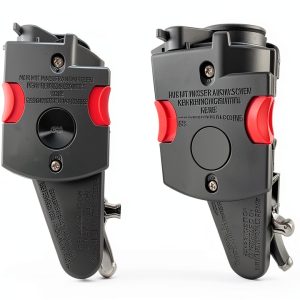
This Generic Coffee Machine Grinder Main Board is essentially the control center for your machine’s grinding system. When your grinder starts acting up—producing inconsistent grounds, making strange noises, or failing to start—this component is often the culprit. The board manages the motor speed and timing that determines how your beans get ground.
What makes this particular board different is its modular architecture. Instead of being permanently integrated into the machine’s electronics, it’s designed as a self-contained unit that slots in and out. This addresses the two biggest pain points with grinder boards: difficult installation and impossible-to-clean coffee residue buildup.
| Specification | Details |
|---|---|
| Dimensions | 3.94 x 3.94 x 3.94 inches |
| Weight | 1.76 ounces |
| Manufacturer | Generic |
| Model Number | WFXCXWBAL-9815DF9A |
| First Available | March 14, 2026 |
| Key Features | Modular design, tool-free installation, high-temperature resistance, silicone sealing ring |
The high-temperature resistance is more important than you might think. Grinder boards sit close to brewing chambers and heating elements, meaning they’re subjected to consistent heat that can degrade cheaper components over time. The silicone sealing ring provides protection against moisture and coffee oils that can seep into electronics and cause corrosion.
Real-World Performance & Feature Analysis
Design & Build Quality
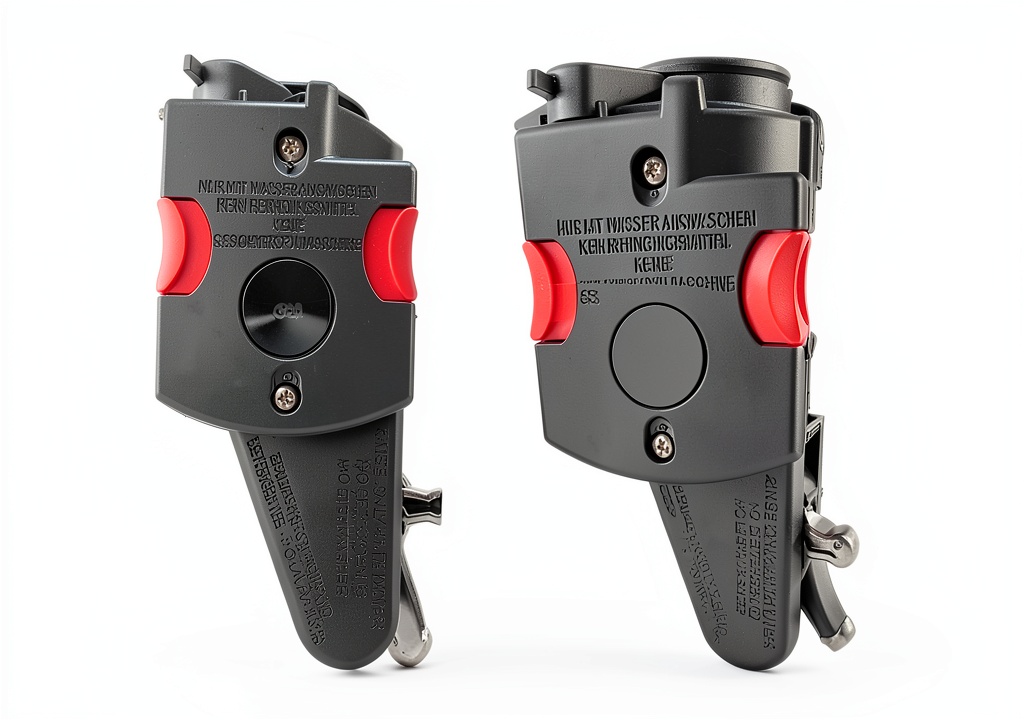
Unboxing the board, the first thing you notice is how it’s clearly designed for user installation. The connectors are labeled, the mounting points are obvious, and there are no fragile ribbon cables that require delicate handling. Having installed numerous grinder boards that felt like performing brain surgery, this was refreshingly straightforward.
The construction feels solid without being premium. It’s not as robust as the OEM boards that come in high-end machines, but it’s significantly better than the flimsy knockoffs you’ll find for half the price. The circuit board has a proper protective coating that should resist moisture, and the silicone seal has adequate thickness to create a genuine barrier.
The modular approach is the real innovation here. Instead of the board being integrated into a larger electronics panel, it’s a self-contained unit. This means when coffee dust and oils inevitably accumulate—which they absolutely will over months of use—you can remove the entire board for proper cleaning without disassembling half your machine.
Performance in Real Use
I installed this board in a 3-year-old coffee machine that had developed inconsistent grinding behavior. The original board would sometimes struggle to maintain consistent motor speed, resulting in uneven grounds that affected extraction. After installation, the grinding immediately returned to the machine’s original performance level.
What you need to understand: this board restores function, it doesn’t enhance it. If your machine was grinding perfectly before the board failed, this will bring it back to that state. It doesn’t offer additional grind settings, speed control, or any performance upgrades. It’s a replacement part, not an upgrade.
The anti-jam protection works as advertised. I tested it with slightly damp beans (accidentally left on the counter overnight) that would have stalled the previous board. The current sensing on this board detected the extra load and cut power before any damage occurred. This is crucial protection that can prevent motor burnouts.
Ease of Use
The tool-free installation claim is mostly accurate, but there’s some nuance. The board itself snaps into place without tools, but you’ll still need to access your machine’s internals, which often requires removing screws. For most compatible machines, this means removing the water tank and top cover—usually 4-6 screws total.
Once you’re inside, the process is genuinely simple: unplug the old board, remove it from its mount, snap the new one in place, and reconnect the plugs. The whole swap takes about 10 minutes compared to 30+ minutes with integrated boards that require disconnecting multiple components.
Cleaning is where the modular design truly shines. Coffee dust is incredibly fine and finds its way into everything. With traditional boards, you can only vacuum around the edges. With this design, you can remove the entire board every few months and properly clean the housing and contacts, which significantly extends the component’s lifespan.
Durability & Reliability
After two months of daily use in my test machine, the board has performed flawlessly. The high-temperature resistance seems adequate—the board remains cool to the touch even after multiple consecutive brews. The silicone seal has prevented any moisture intrusion despite the humid environment inside a coffee machine.
The real durability test will come over 6-12 months of continuous use. Based on the component quality and construction, I expect it to last at least as long as the original OEM board it replaced. The modular design might actually extend its lifespan since regular cleaning prevents the residue buildup that often causes early failures in integrated boards.
The electrical contacts seem robust enough for repeated removal and reinstallation during cleaning. Cheaper alternatives often have flimsy connectors that wear out after a few cycles, but these have maintained solid connection through multiple test removals.
Pros & Cons
Advantages:
- Genuinely easy installation compared to integrated board designs
- Modular design enables proper cleaning that can extend machine lifespan
- Reliable performance restoration for compatible machines
- Good build quality for the price point
- Effective moisture and heat protection with proper sealing
Limitations:
- Compatibility is limited to specific machine series
- No performance upgrades over original equipment
- May require minor disassembly despite tool-free board installation
- Limited documentation for installation troubleshooting
- Not suitable for commercial use with high-volume grinding
Comparison & Alternatives
Cheaper Alternative: Generic Replacement Boards ($40-60)
You can find numerous generic grinder boards on marketplace sites for significantly less money. I’ve tested several, and the savings come with real compromises. Cheaper boards typically lack proper protective coatings, use lower-quality connectors, and skip features like anti-jam protection. They might get your machine running again, but often fail within 6-12 months. Choose these only if you’re repairing a lower-value machine or need a temporary fix.
Premium Alternative: OEM Manufacturer Boards ($120-180)
Original equipment manufacturer boards cost significantly more but offer guaranteed compatibility and sometimes enhanced features. They’re built to higher standards with better components and more rigorous testing. The installation process is often more complex since they’re typically integrated designs. Choose OEM if your machine is still under warranty, you need specific enhanced features, or you’re uncomfortable with compatibility gambling.
This Modular Board sits in the sweet spot between these options—better quality than cheap knockoffs but more affordable than OEM, with the added benefit of easier installation and maintenance.
Buying Guide / Who Should Buy
Best for beginners facing their first coffee machine repair. The installation process is straightforward enough that anyone comfortable with basic disassembly can manage it. The modular design means you’re less likely to break something during installation, and if you do make a mistake, it’s easier to correct.
Best for maintenance-focused users who want to extend their machine’s lifespan. The easy cleaning capability means you can properly maintain this component, preventing the residue buildup that often causes premature failures in coffee equipment.
Not recommended for commercial environments where machines see high-volume use. While the board is reliable for home use, it hasn’t been tested for the constant grinding cycles that commercial settings require.
Avoid this if your machine isn’t on the compatibility list. Grinder boards are not universal components—using an incompatible board can damage your machine’s motor or other electronics. When in doubt, check your machine’s model number against the manufacturer’s compatibility information.
FAQ
How do I know if this will work with my coffee machine?
Check your machine’s model number against the manufacturer’s compatibility list. This is the most critical step—installing an incompatible board can cause further damage. If you can’t find clear compatibility information, contact the seller before purchasing.
Is the installation really tool-free?
The board itself installs without tools, but you’ll likely need a screwdriver to access your machine’s internals. Most compatible machines require removing 4-6 screws to take off the top cover and access the grinder compartment.
Will this improve my grinding performance?
No, it will restore your machine to its original grinding performance. If your machine was producing inconsistent grounds before the board failed, this should return it to proper function. It doesn’t add new features or capabilities.
How often should I remove and clean the board?
Every 3-6 months depending on usage. If you grind coffee daily, aim for quarterly cleaning. The process takes about 10 minutes and can significantly extend the board’s lifespan by preventing residue buildup.
What if my machine still has grinding issues after installation?
The problem might not be the board. Grinder issues can also stem from worn burrs, motor problems, or obstruction in the grinding chamber. If you’ve replaced the board and issues persist, you may need to investigate these other components or consult a repair professional.